
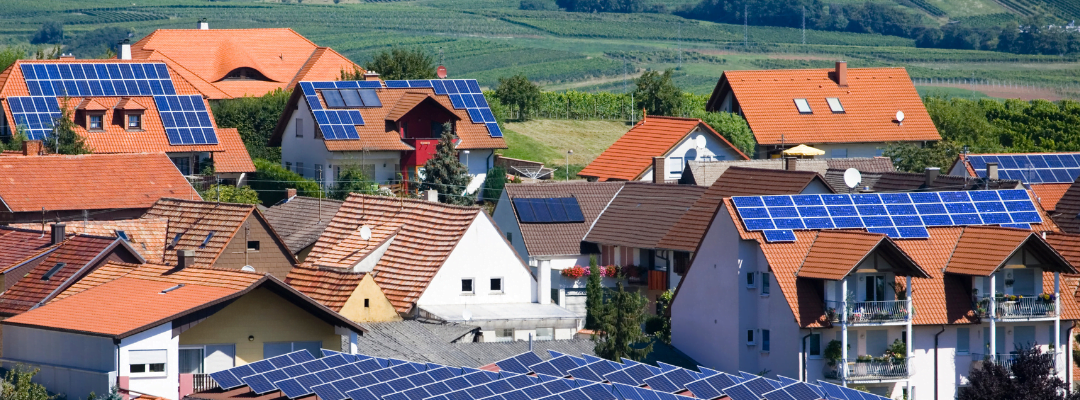
In recent years, the adoption of solar panels in villages around the world has emerged as a trans-formative solution to energy challenges faced by rural communities. Often characterized by their limited access to electricity, villages can significantly benefit from the implementation of solar energy systems. This article explores the advantages, challenges, and potential of solar panels in rural areas, highlighting their role in sustainable development.
The Need for Renewable Energy in Villages
Many villages, especially in developing countries, rely on diesel generators, kerosene lamps, or other nonrenewable energy sources. These traditional energy sources are often expensive, environmentally damaging, and unreliable. The lack of consistent electricity stunts economic growth, limits educational opportunities, and hinders access to healthcare services. In this context, solar panels emerge as a viable and sustainable alternative, enabling villages to harness the power of the sun to meet their energy needs.
Advantages of Solar Panels in Rural Areas
Reliable Energy Access
Solar panels provide a consistent source of energy, particularly in regions where the electricity grid is weak or entirely absent. By investing in solar technology, villages can generate their own electricity, leading to greater reliability and reduced dependence on fossil fuels.
Cost-Effectiveness
Although the initial investment for solar panels can be significant, the long-term savings are substantial. Solar energy reduces or eliminates electricity bills, and with declining costs of solar technology, many rural communities can now afford to install solar systems. Moreover, the operational and maintenance costs of solar panels are relatively low, leading to sustainable financial benefits.
Environmental Sustainability
Solar energy is a clean, renewable resource that significantly reduces the carbon footprint of villages. This is crucial in efforts to combat climate change and protect local ecosystems. By shifting away from fossil fuels, villages can contribute to environmental preservation and foster sustainability in their communities.
Empowerment and Economic Growth
Solar energy can kick start local economies by enabling small businesses, agriculture, and educational initiatives. With reliable energy, villagers can power irrigation systems, operate refrigeration for perishables, and support local industries. This economic empowerment leads to job creation and improved quality of life.
Health Benefits
The reliance on kerosene lamps and other harmful energy sources can pose serious health risks. Solar panels provide a cleaner alternative, reducing indoor air pollution and the associated health hazards, particularly for children and the elderly. Better lighting from solar systems can also extend productive hours for studying and working, promoting education and community development.
If you’re looking for solar panels for your Needs, feel free to contact us.
Challenges to Implementation
Despite the numerous advantages, the deployment of solar panels in villages is not without its challenges
Initial Investment Costs
While the long-term savings are substantial, the upfront costs of purchasing and installing solar systems can be daunting for low-income communities. Government subsidies, grants, or financing options are often required to make solar installations feasible.
Lack of Technical Expertise
Many villages lack the technical skills necessary for planning, installing, and maintaining solar energy systems. Investing in local training programs to build technical capacity is essential for successful implementation. Partnerships with NGOs and renewable energy organizations can also provide the expertise needed.
Regulatory and Policy Barriers
In some regions, bureaucracy and regulatory hurdles can delay or complicate the process of solar adoption. Advocacy for supportive policies and regulations is crucial in promoting the growth of solar energy in rural areas.
Cultural Acceptance
Resistance to change can hinder the adoption of new technologies. It's important to engage communities, educate them about the benefits of solar energy, and incorporate local values into the implementation process.
The Future of Solar Energy in Villages
- The future of solar energy in villages looks promising, with numerous successful models already in place around the world. Community solar projects, solar cooperatives, and micro grid systems are examples of innovative approaches that bring solar power to rural communities. As technology advances, storage solutions such as batteries are becoming more affordable and effective, enhancing the reliability of solar energy.
- Moreover, increased awareness of climate change and sustainability is driving interest in renewable energy solutions. Collaborative efforts between governments, private sectors, and NGOs are vital to ensuring that solar energy becomes a standard resource for villages.
Conclusion
The deployment of solar panels in villages represents a significant step toward energy independence, environmental sustainability, and economic empowerment. By leveraging the power of the sun, rural communities can transform their futures, overcome energy poverty, and create resilient economies. Embracing solar energy not only improves the quality of life for villagers but also contributes positively to the global fight against climate change. As we move forward, investment in solar technology must remain a priority to unlock the immense potential that lies within our rural villages.