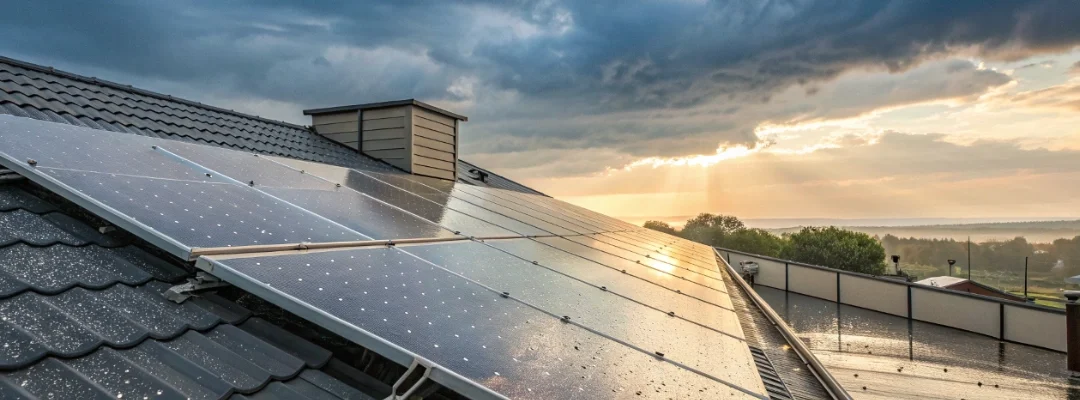
Solar panels are a long-term investment that offer clean energy, lower electricity bills, and environmental benefits. However, Bangalore’s seasonal variations—dusty summers, heavy monsoon rains, and cooler winters—can impact panel performance. Proper seasonal maintenance ensures panels operate efficiently, extend lifespan, and provide a higher return on investment (ROI).This guide outlines season-specific care strategies, routine inspections, and the importance of professional services for solar panels in Bangalore.
1. How Seasonal Changes Affect Solar Panel Performance
Seasonal factors directly impact solar efficiency:
- Summer: High temperatures and dust accumulation can reduce energy output.
- Monsoon: Rain can leave stains, debris, and water patches on panels.
- Winter: Cooler temperatures improve efficiency, but frost, fog, or shading can block sunlight.
Understanding these effects helps solar owners plan preventive maintenance for year-round optimal performance.
2. Summer Care Tips for Solar Panels in Bangalore
Summer’s dry and dusty climate requires consistent attention:
- Regular Cleaning: Dust, bird droppings, and pollution marks reduce sunlight absorption. Clean panels every 2–4 weeks depending on dust levels.
- Visual Monitoring: Inspect weekly for dirt or minor damage.
- Safe Cleaning Techniques: Use low-pressure water, soft brushes, or microfiber cloths. Avoid hard water or harsh chemicals.
- Timing Matters: Clean panels during early morning or late evening to prevent thermal shock.
Proper summer maintenance ensures consistent energy production despite high heat and dust.
3. Monsoon Protection and Maintenance
The monsoon season brings rain, mud, and debris challenges:
- Post-Storm Inspections: Check for loose wiring, corrosion, or physical panel damage.
- Cleaning Schedule: Clean manually every 2–3 weeks if debris accumulates; perform a full cleaning after the monsoon ends.
- Drainage Management: Ensure water runoff is unobstructed to prevent pooling and damage.
- Electrical Safety: Protect inverters and components with surge protectors and waterproofing measures.
These precautions help maintain panel efficiency and reduce long-term damage during heavy rains.
4. Winter Solar Panel Care
Winter brings cooler temperatures but potential shading or frost issues:
- Frost and Snow Removal: Gently clear any frost to maintain sunlight exposure.
- Optimize Sunlight: Ensure panels remain unobstructed and properly angled.
- Monitor Electrical Components: Inspect for moisture, minor cracks, or performance dips caused by cold.
Winter care ensures consistent energy output and prevents efficiency losses due to seasonal conditions.
5. Routine Inspections and Preventive Repairs
Regular inspections are critical for all seasons:
- Panel Condition: Look for cracks, discoloration, or dirt accumulation.
- Electrical Components: Check inverters, wiring, and connectors for wear or corrosion.
- Performance Tracking: Monitor energy output for efficiency drops.
- Maintenance Records: Keep logs of cleaning, repairs, and inspections for reference.
Routine inspections prevent major repairs, extend lifespan, and sustain energy generation.
6. Benefits of Professional Solar Maintenance Services
Professional maintenance services provide additional advantages:
- Expert Cleaning & Inspection: Detect hidden issues that may be overlooked.
- Advanced Monitoring: Track energy production using specialized tools.
- Timely Repairs: Address faults or inefficiencies quickly to prevent losses.
- Frequency Recommendations: 1–2 professional check-ups annually, depending on climate and system size.
- Peace of Mind: Ensures panels perform optimally while maintaining warranties.
Partnering with experienced providers maximizes ROI and reduces operational risks.